1922 No D 1C Strong Reverse, FS-401, BN MS(PCGS#37676)
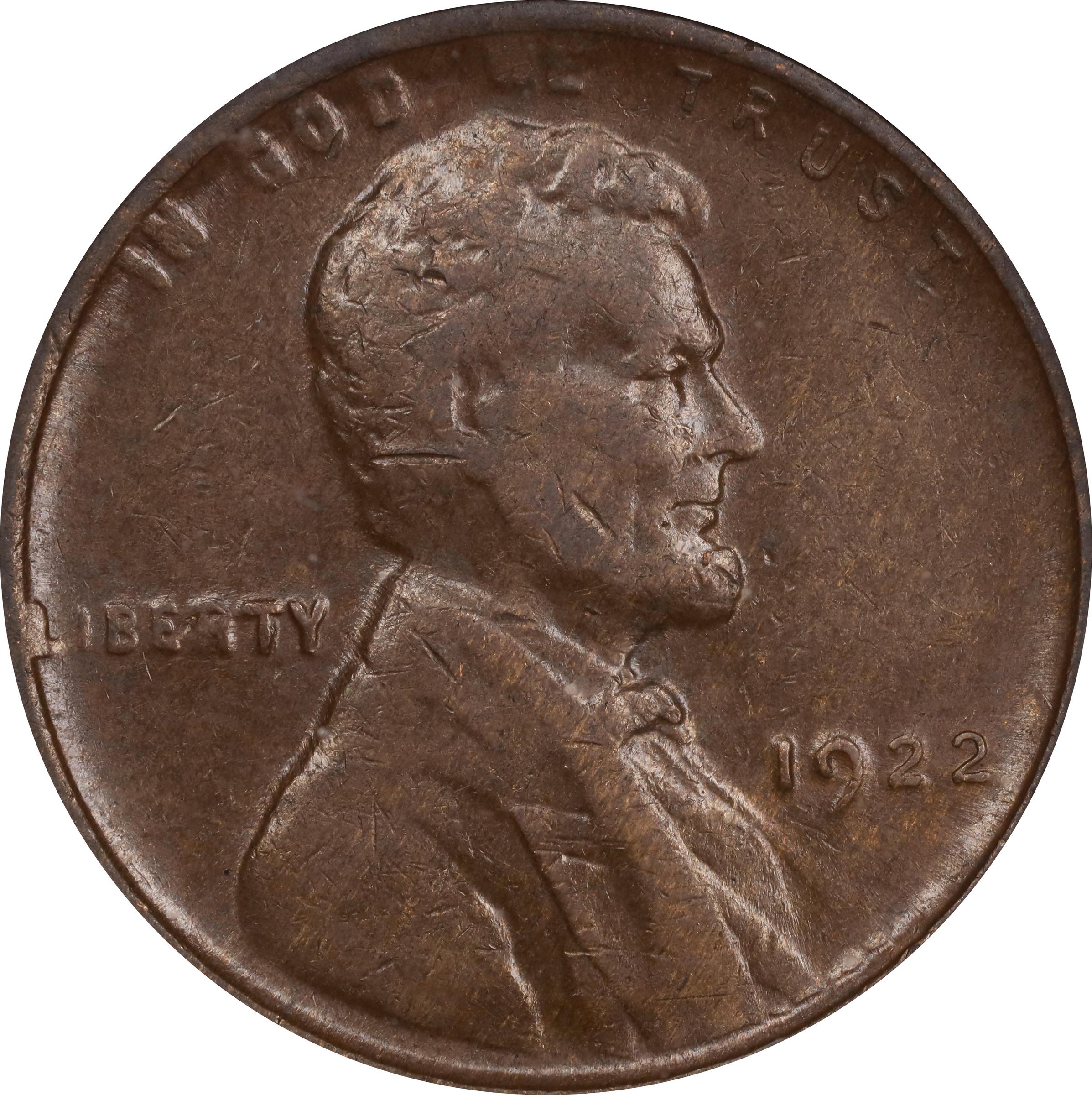
1922 No D 1C Strong Reverse, FS-401, BN MS (PCGS#37676)
November 2025 Showcase Auction U.S. Coins
- Auctioneer
- Stack's Bowers
- Lot Number
- 2028
- Grade
- XF40BN
- Price
- 1,920
- Lot Description
- Rich chestnut brown patina with hints of golden-olive and light mahogany. Typically sharper on the revere for the die pair, yet also well defined on the obverse in the absence of all but light wear. A few marks to Lincoln's portrait are commensurate with the grade and of no concern when the coin is admired in hand.<p>The most desirable of the three die pairs known for the 1922 No D Cent, Die Pair II is missing the mintmark due to overzealous polishing of the obverse die. This was done in the Mint to efface clash marks, the polishing inadvertently removing the mintmark and also softening the detail to all other devices on the obverse. The reverse die is a fresh one, however, which explains the much sharper reverse definition that characterizes examples of this die pair. Indeed, Die Pair II is widely regarded as the only "true" No D variety of the 1922-D, as explained by our own Q. David Bowers, in his <em>Guide Book of Lincoln Cents</em> for Whitman:<p><em>When dies were first used they produced regular 1922-D cents. Then, they weakened as the die became worn from extensive use. It is thought that the D was completely ground off of one die - that being from pair No. 2 - when it was relapped or resurfaced to reduce surface roughness and extend its life. Cents of 1922-D struck without a mintmark always have a very weakly detailed obverse in other areas as well. The reverse can range from weak to fairly sharp, depending upon the die.</em><p><em>The ANACS staff, writing in </em>The Numismatist<em>, July 1982, consolidated comments and research by others, and described the specific characteristics of die pairs used to strike 1922 cents with a weak or missing D. Die pair No. 2, with no D visible, was described as starting with a fresh pair of dies. The two dies clashed (met in the coining press without a planchet between them), causing clash marks on both sides. According to the ANACS scenario, the obverse die was lightly dressed or filed, to remove the clash marks, and in the process the D was removed completely. The reverse die was discarded and replaced by a new one. Thus were produced 1922 cents with no D whatsoever.</em><p>The typical 1922 No D Cent offered in today's market is a circulated coin. The finest of these, including this handsome EF-40 from the Brookfield Collection, enjoy particularly strong demand within the large communities of Lincoln cent collectors and variety enthusiasts.